
Iron Duke Festival - 18 to 20 September 2026
September 2026 marks the 10th anniversary of the return of the Iron Duke.
This occasion provides a unique opportunity to highlight the industrial heritage of the town, to honour its workforce and to inform and enthuse those who have come to live and work in the town since the factory's closure thirty years.
Festival Programme
We have initiated a festival programme for this weekend to mark the return of the Iron Duke, including music, film, a rubber-related art exhibition. This weekend will also mark the launch of The Avon Works' future programmes.ago.
There are three paid events: Picnic @ The Hall, Thriving on Rubber and Carport Collective (details below). Each event is £10 each (plus £1 booking fee), or you can buy a festival pass for £25 (plus £2.50 booking fee) which will give you entry to all three paid for events.
Friday 18th September
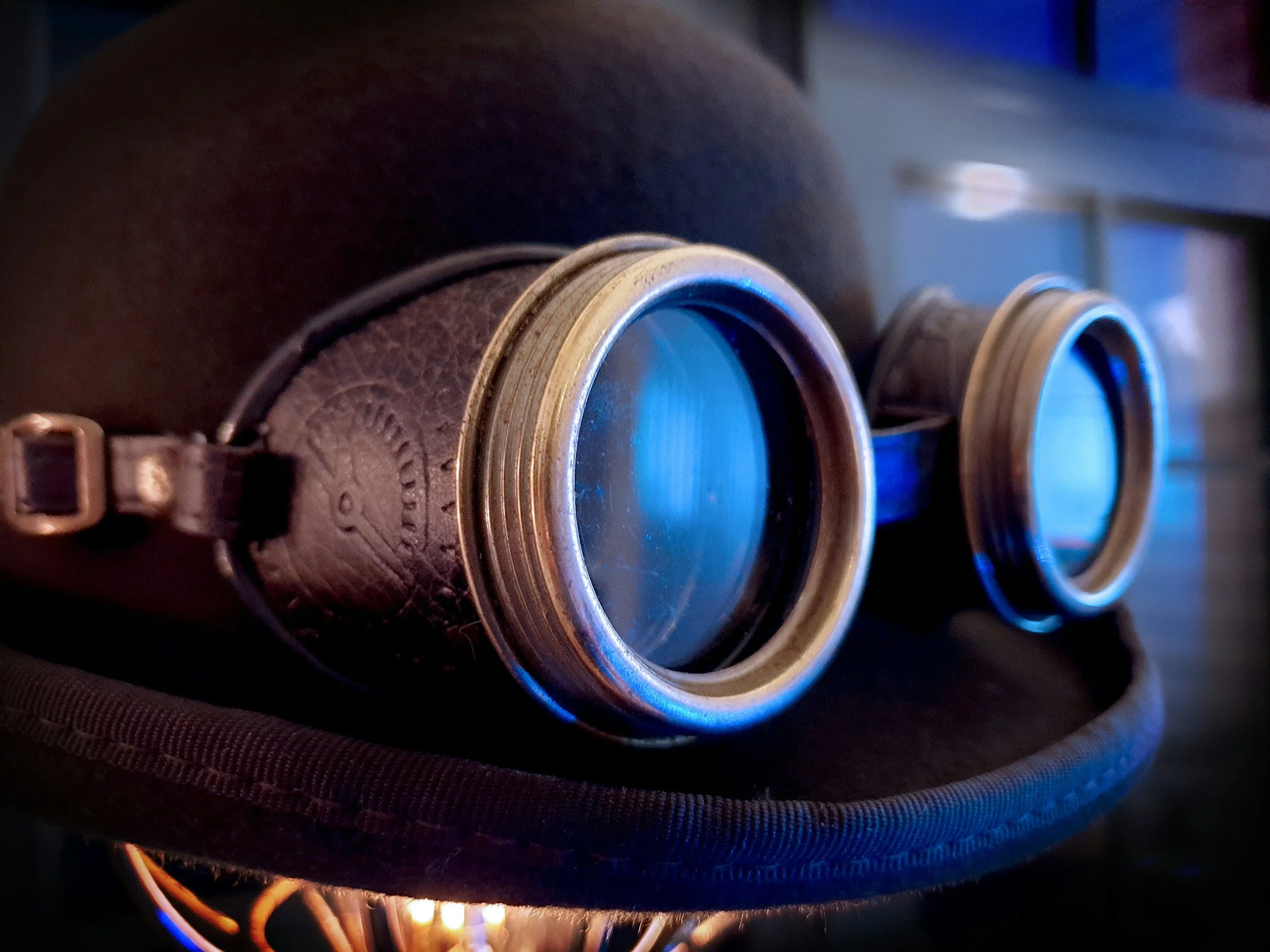
Steampunk Fiesta
Three Horseshoes from 8pm
Starting with a Steampunk Fiesta (stilt walkers, flame blowers, steampunk fashion and music). Music from cider-fuelled folk-punks, The Boothill All Stars plus West Country hip-hop from 'Monkey Bizzle'.
Free entry and no booking required. Just turn up!
Saturday 19th September
Picnic @ The Hall
Holt Rd, 1.30-5pm
Bring it, share it, and take it away.
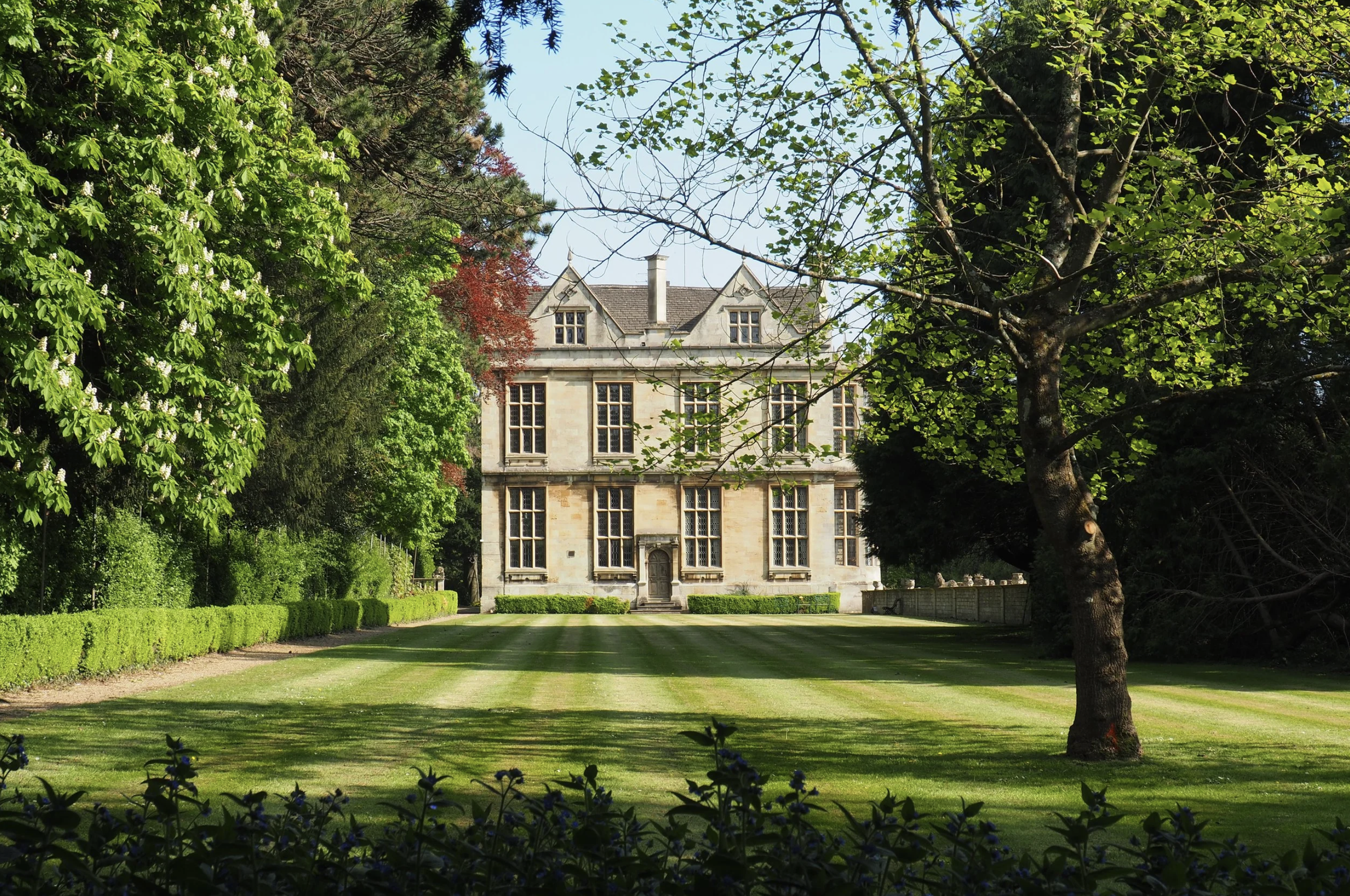
Enjoy a bring your own Community Picnic in the grounds of The Hall, the Jacobean residence of the Moulton family, founders of the Moulton Rubber factory in 1848.
Music from three choirs, Wiltshire Wailers, Akabella and Sassparella, traditional music by Bath City Jubilee Waits, plus story-telling with Ali Penny, and morris dancing with Holt Morris Dancers and Bell's Angels.
There will also be a variety of craft stalls courtesy of Made in Bradford on Avon, Boo's Bakehouse will be offering food and there will be a bar run by Bradford on Avon brewers, Kettlesmith, who will also be launching a brand new Iron Duke beer.
Saturday 19th September
Thriving on Rubber - Ten Years of the Iron Duke
At St Margaret’s Hall from 8pm
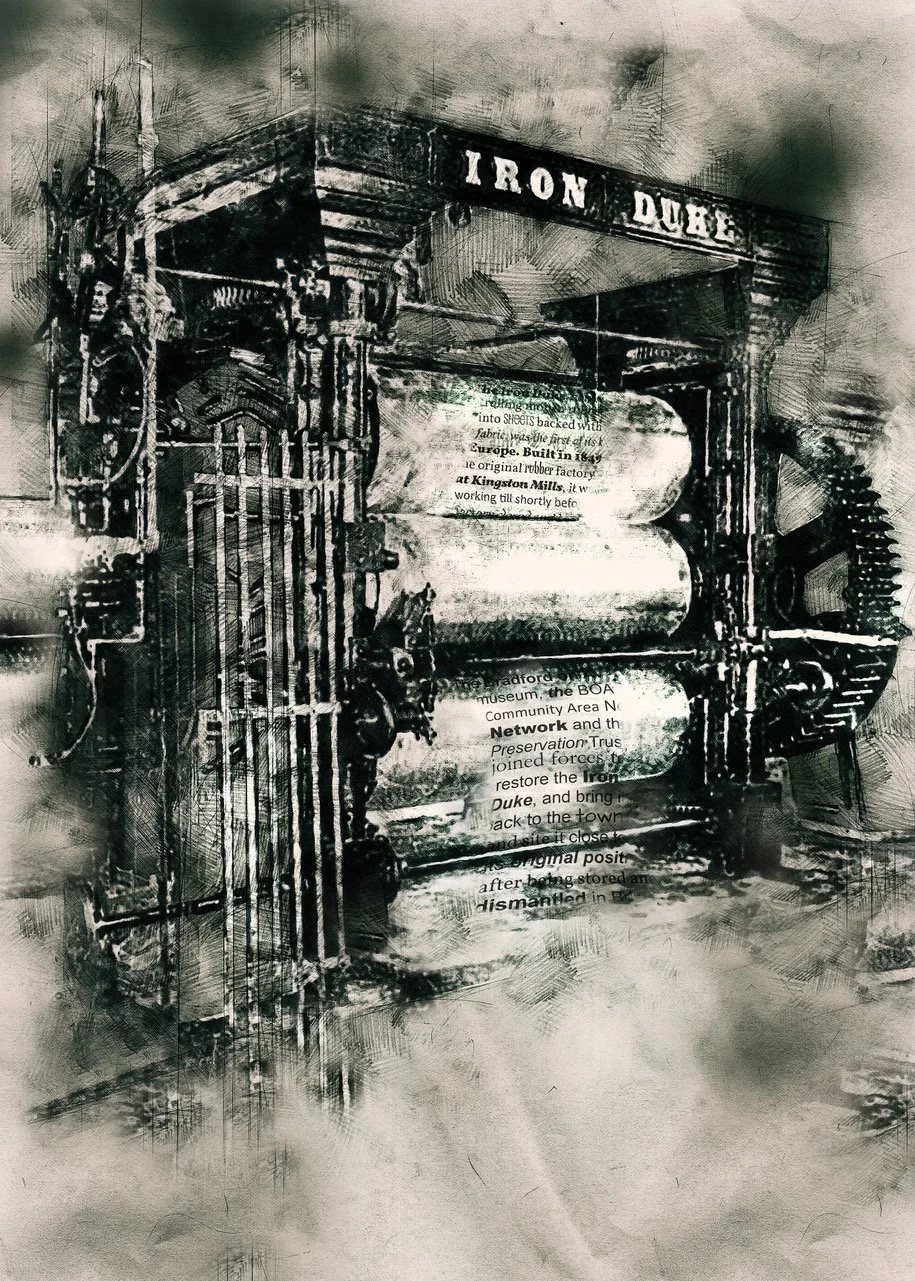
An evening of film, music and conversation hosted by Merv Grist with music by Lawton & Mack.
Plus'The Iron Duke Returns (2016: The Journey Recounted by Will Sansom of Close Range Films plus the film premiere of ‘Thriving on Rubber’, directed and Introduced by Will Sansom. A series of mini-films on the history of BoA's Rubber Industry. These will be veiwable by the public via QR located signs permanently located at the Rubber Factory site and other locations in Bradford on Avon.
Jim Lynch will talk about 'The Avon Works'; Heritage. Creativity. Learning.
The paid bar will be open.
Sunday 20th September
Karport Collective and The Mimi Project
At Bradford on Avon Football Club, 1.30-5pm
Music from Karport Collective plus support from The Mimi Project at Bradford Town Football Club, Trowbridge Road. Celebrating over 100 years since the facility was covenanted to the workers and their families by the Spencer Moulton Rubber Company.
Tuesday 1st to Wednesday 30th September
Rubber related exhibition
At Handmade Bradford on Avon, Lamb Yard
An exhibition of illustrations, photos and objects related to the Avon Factory and the Iron Duke.
Free entry.
-
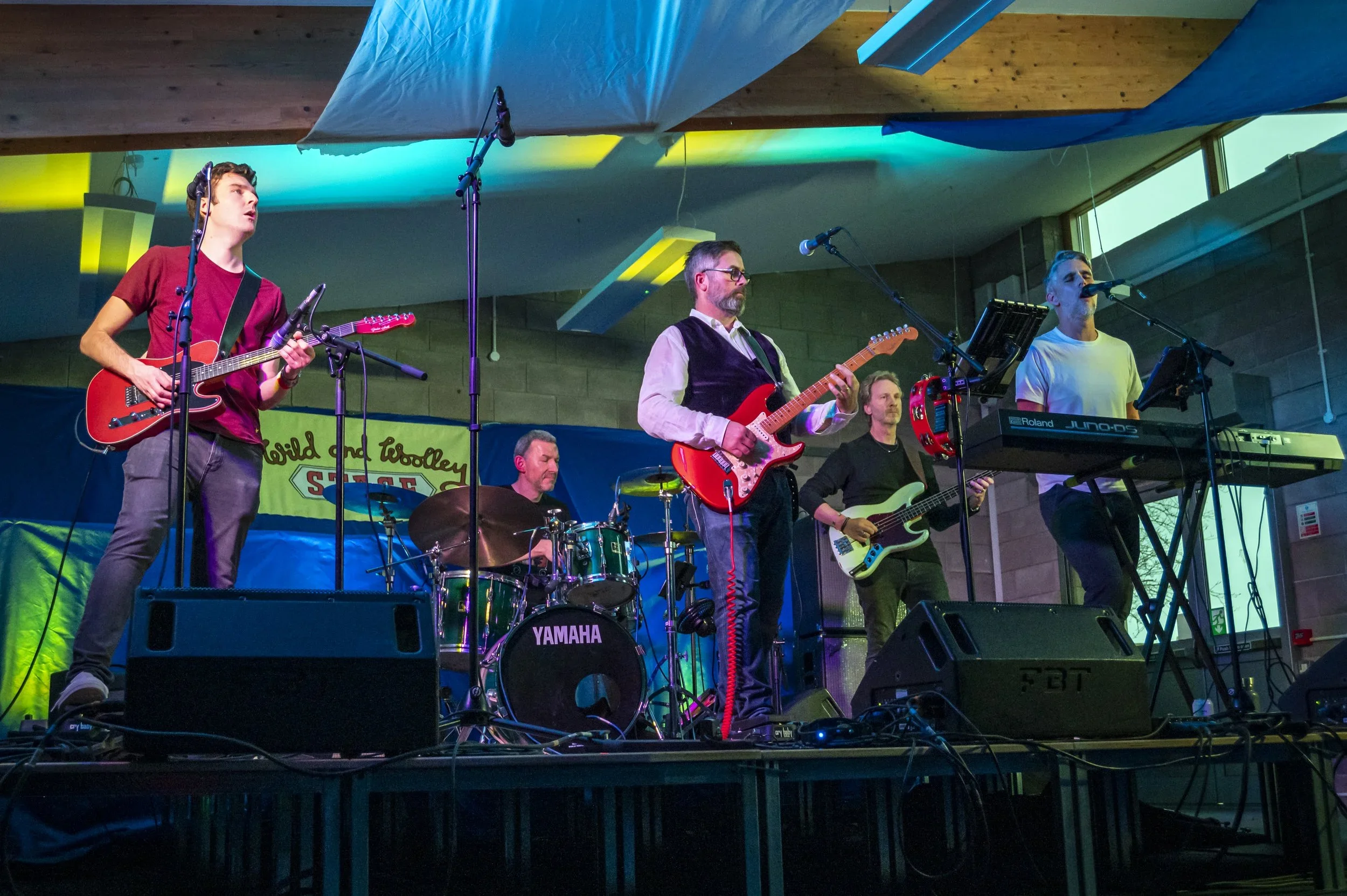
It is a calendering machine (mill) designed to bind mixed rubber (rubber plus added chemicals) and reinforcing fabric together into rubber sheets of different thicknesses. The sheets would then be vulcanised, by the application of heat and pressure. A usable product was then made which was neither sticky when hot nor brittle when cold. Some of the earliest products made using this calendaring process were waterproof capes and footwear for troops who fought in the Crimean War.
-
The spaces between the three big rollers could be adjusted so different thicknesses of rubber sheet could be made. Steam or water would be fed through the rollers to control the temperature of the process. The additional cogs on the outside of the large toothed gear wheel (on the left side as you look at it) provided the option of having differing roller speeds so that the rubber could be ‘scrubbed’ into the weave of the fabric’ and the product made more effective.
-
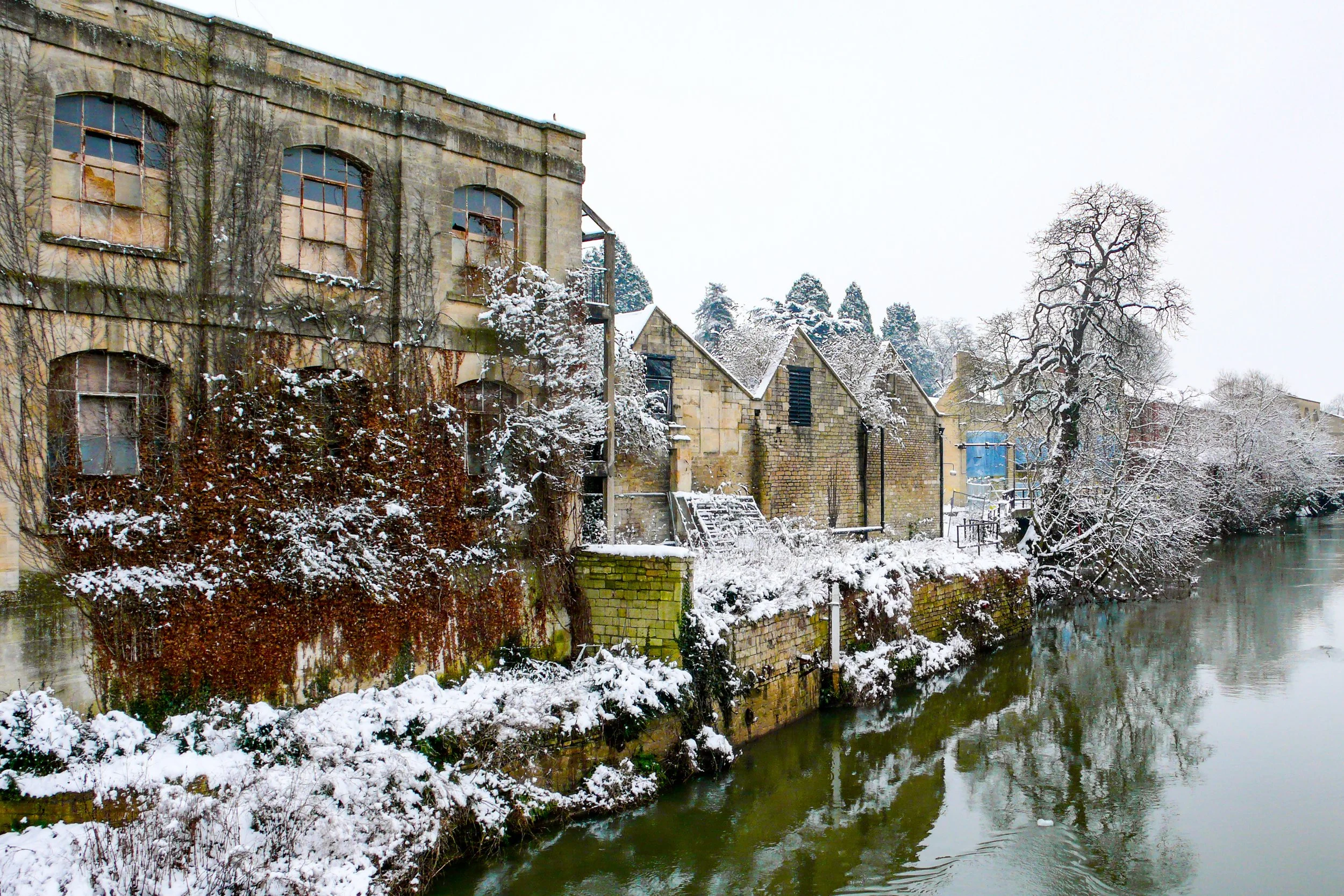
Stephen Moulton (1794-1880) was an Englishman living in New York who studied rubber technology with Charles Goodyear. He wanted to set up a rubber manufacturing plant in England under licence from Goodyear. After much hard work he succeeded, and chose to locate his factory in Bradford on Avon which was unusual in that it was in the west of England, far removed from the more usual centres of industrial activity. It was a disused woollen mill (Kingston Mill), nevertheless it had a wealth of advantages, coal from Somerset, the river Avon alongside the mill to supply power and washing water, together with the closely adjacent Kennet & Avon canal and the Great West Road to provide access to London. It was also cheap and contained within the 8 acre site a home, Kingston House (now The Hall), which would provide a family home. He had a financial backer and a plenty of unemployed people who were used to working in factories.
-
The Iron Duke, named after the Duke of Wellington, was the first such machine / mill in the UK and one of the first in the world. It was designed in the USA but built in the UK around 1848. The rollers were cast and machined at the Highfield Foundry in Bilston, Staffordshire; the huge cast iron frames were made by Bush & Co, Bristol, where castings for Brunel’s ships were made; Coalbrookdale in Shropshire forged the vertical wrought iron rods that hold the machine together; and other parts, possibly including the name board, were made by millwrights and iron founders in Bradford on Avon. When the Iron Duke ceased working after 120 years, it was taken to Bristol museum for storage in 1969/70. It represents over a century of Bradford on Avon’s industrial heritage.
-
Starting in 1848, the town was dominated by rubber manufacturing for nearly150 years. Stephen Moulton & Co began the industry, followed by an amalgamation with George Spencer & Co in London in 1891 to form George Spencer, Moulton & Co. Ltd. In 1956, the Avon India Rubber Co took over Spencer Moulton’s company and later became known as the Avon Rubber Company then Avon Industrial Polymers. Rubber manufacturing became difficult in the town in the 1990s so production was moved to other local towns from 1992. The company head office finally left the town in 2000.