ABOUT AVON WORKS
Mentoring young people and promoting the town’s industrial heritage
The Avon Works will provide advice, signposting, mentoring and skills development for young people, up to and including the establishment of a community apprenticeships programme.
It will also foster and promote community-based projects on the town's industrial heritage and, through these, seek to continue Bradford on Avon's proud working class traditions through the 21st century.
We believe that the cultural and historical richness of our community, when connected with creative industries and young talent, can not only foster personal growth but also contribute to economic development. By offering training, mentorship, and apprenticeship opportunities, we will empower young people to thrive in the workforce while respecting the heritage and creativity that have shaped our town.
Bradford on Avon has been an industrial town for more than 760 years.
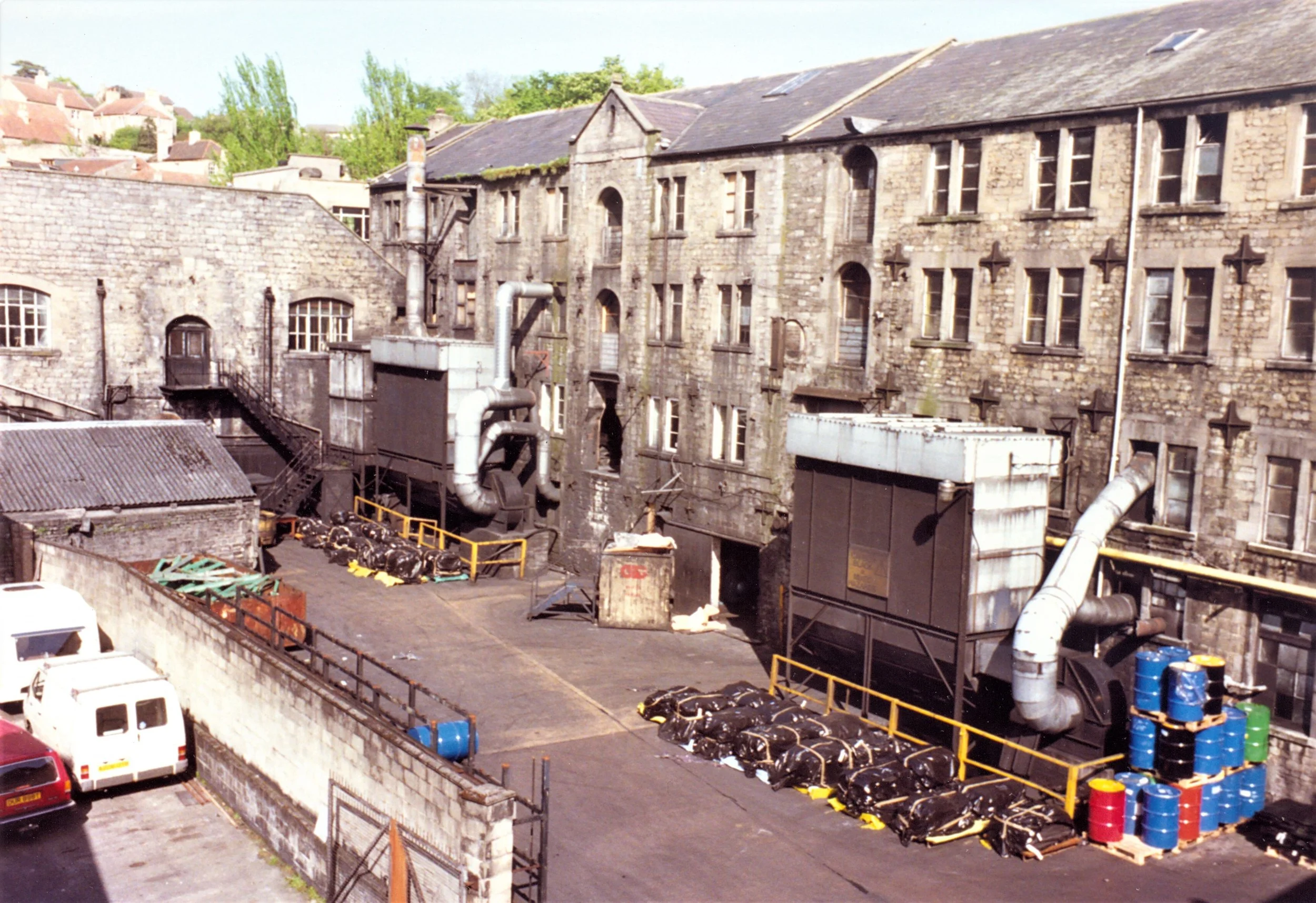
Unlike Trowbridge, Melksham and Warminster, Bradford on Avon was never a market town. This may explain why the town is relatively lightly retailed compared to towns of a similar size. Certainly the industrial nature of the town was very apparent right through to the 1980s: the sight of hundreds of workers clocking off from ‘the Avon’ at the end of the day was more reminiscent of a northern industrial town than one on the edge of the Cotswolds.
The economic past of Bradford on Avon is acutely relevant to its future. Wool was the dominant industry for hundreds of years. It defined the architecture and the feel of the town, with water power the key to its prosperity.
But as a result of mechanisation in the north and perhaps too much of a focus on the wrong kind of cloth, Bradford on Avon and other towns in the area faced economic collapse in the 1820s and 1830s.
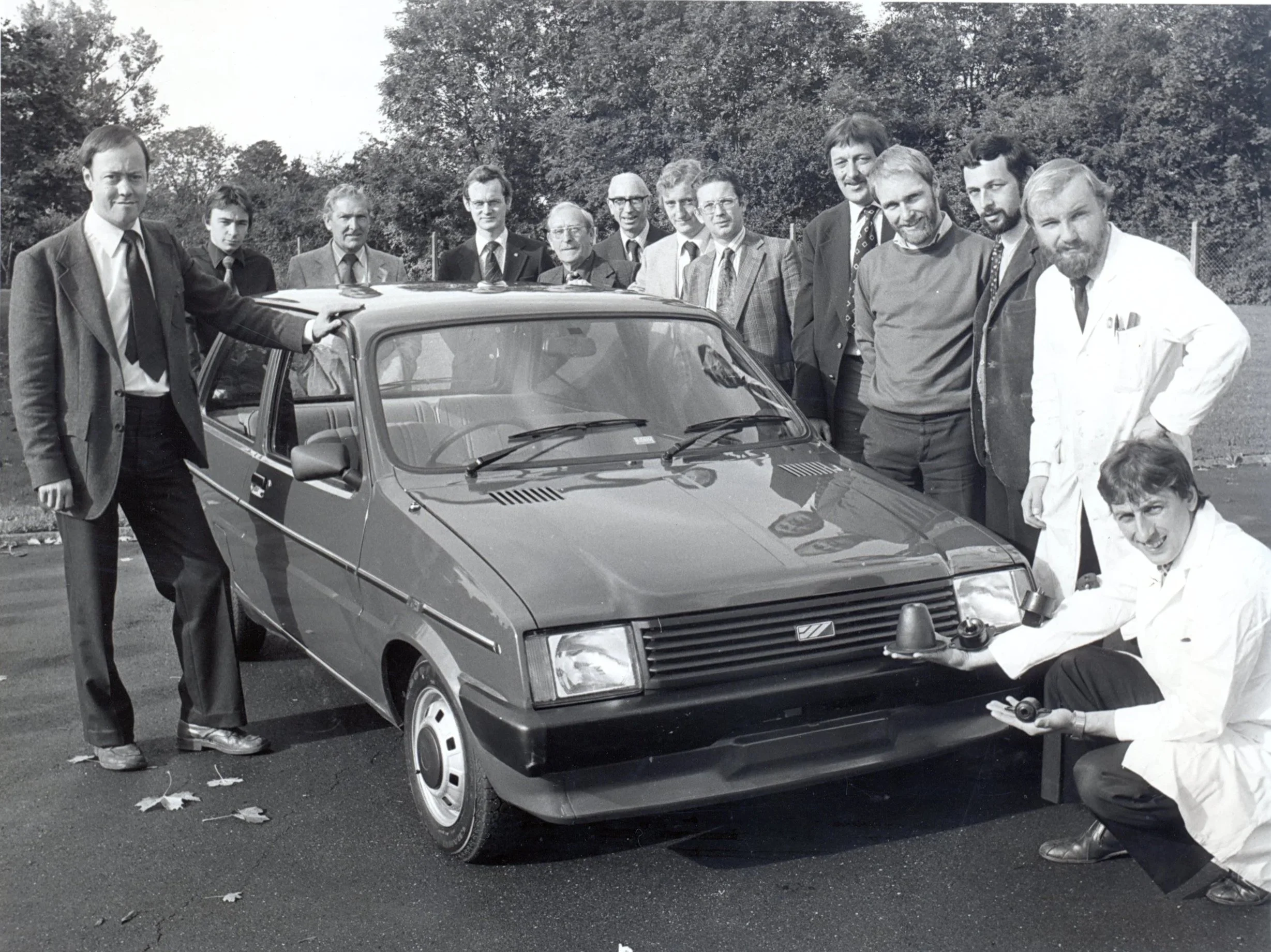
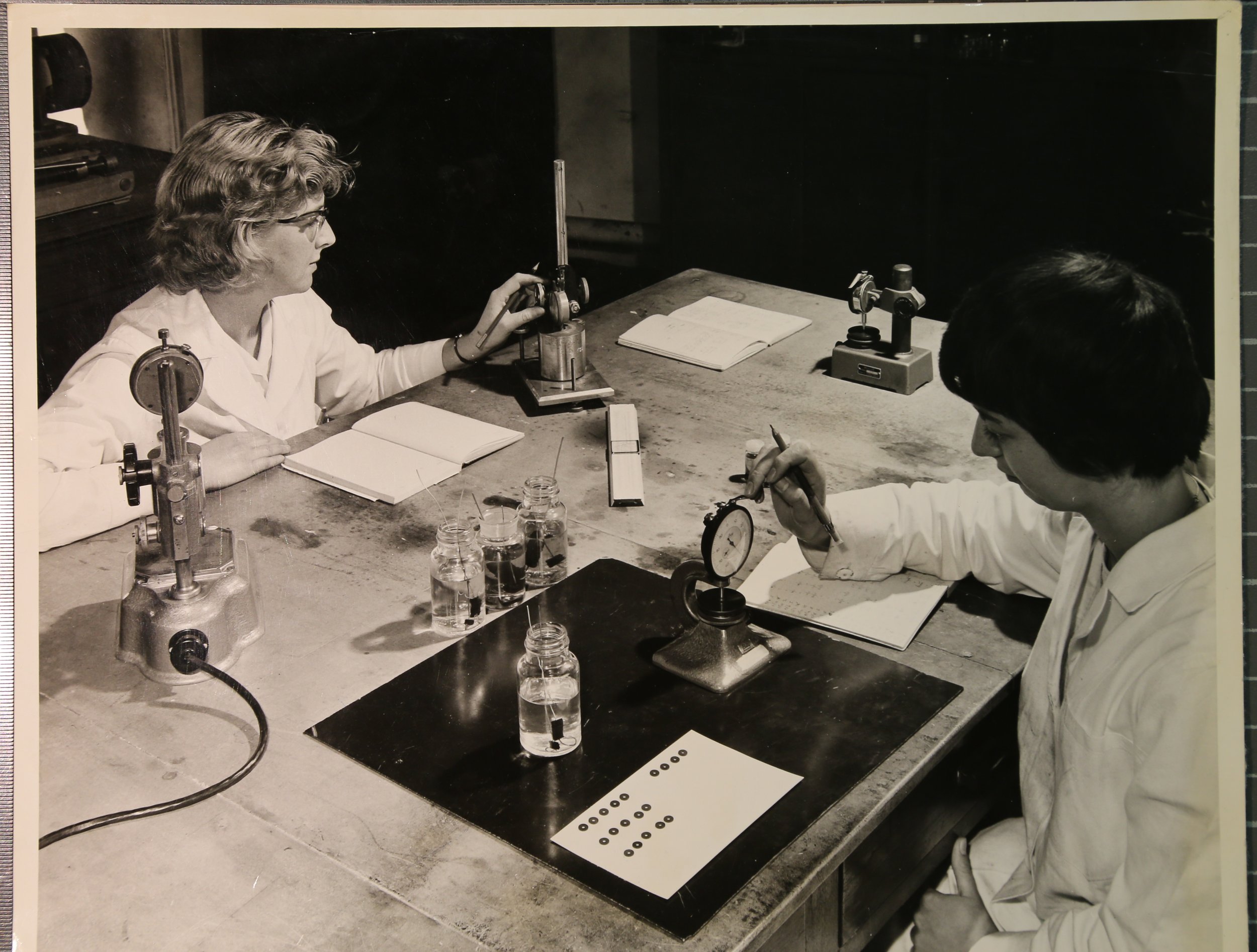
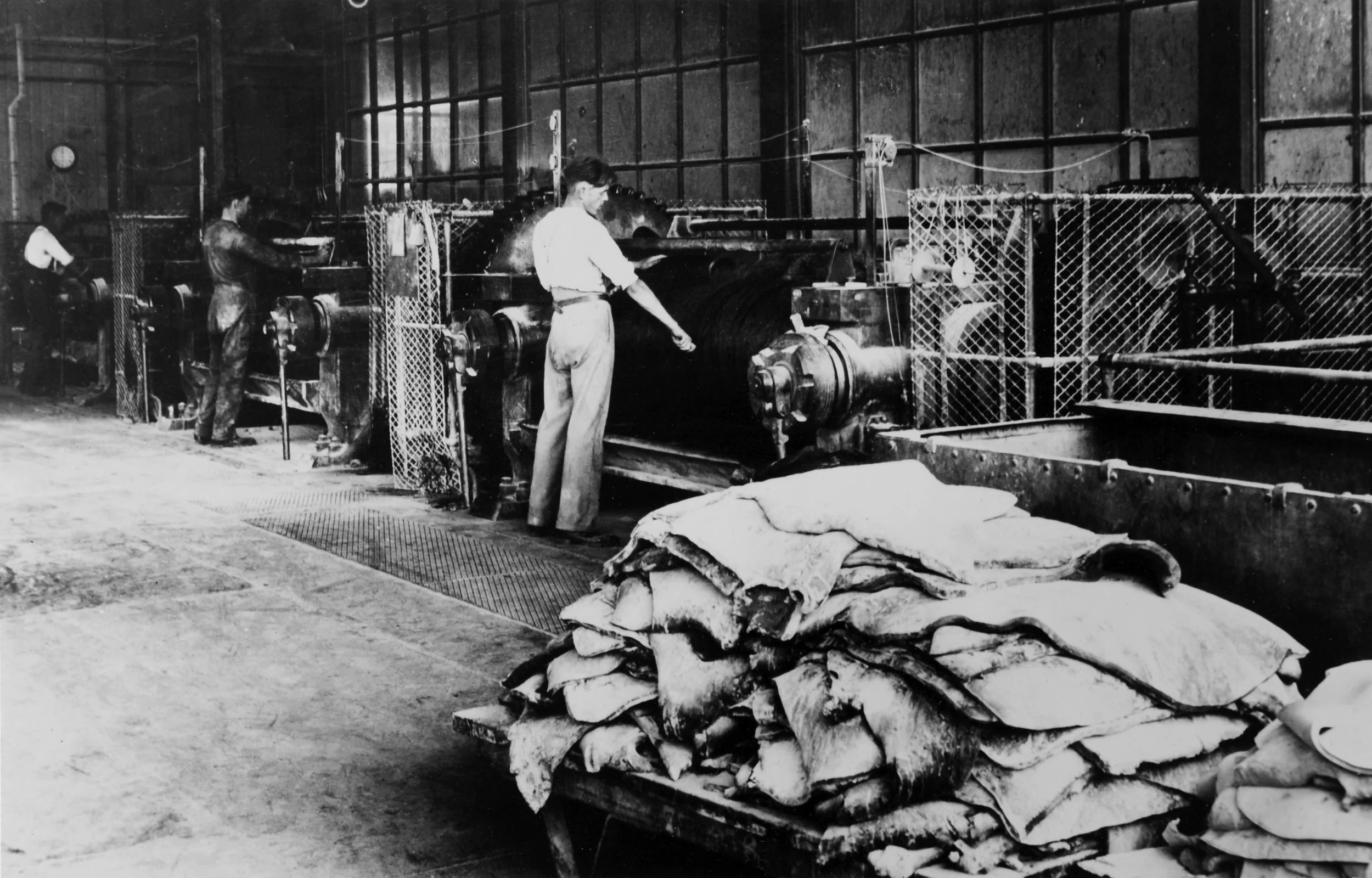
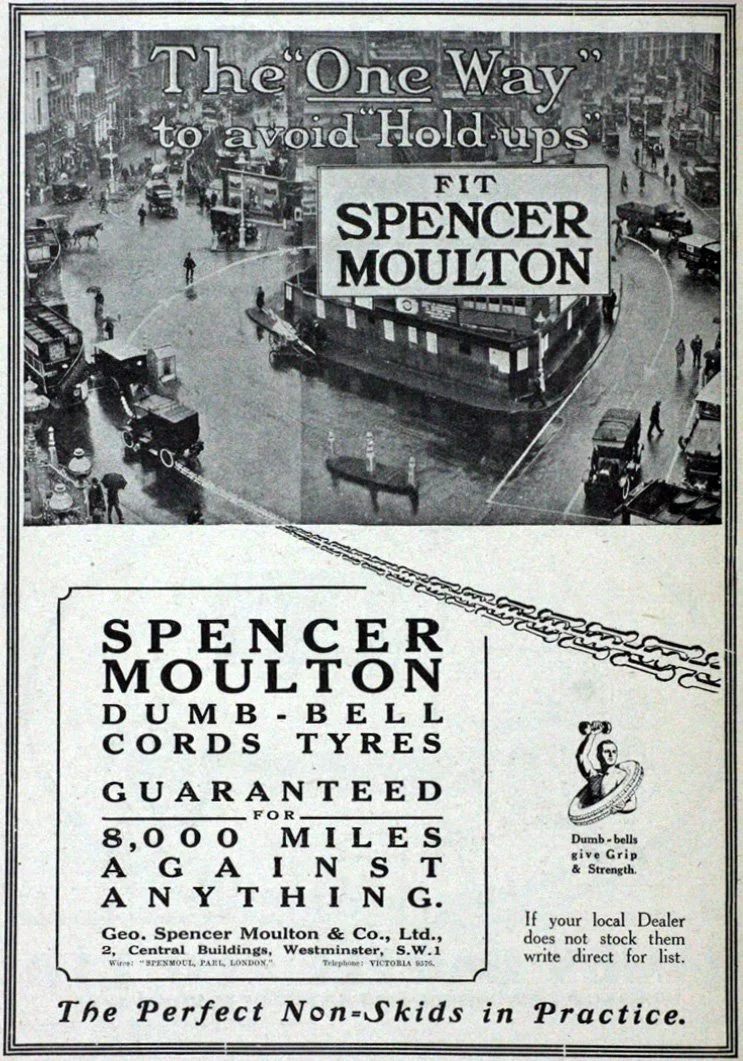
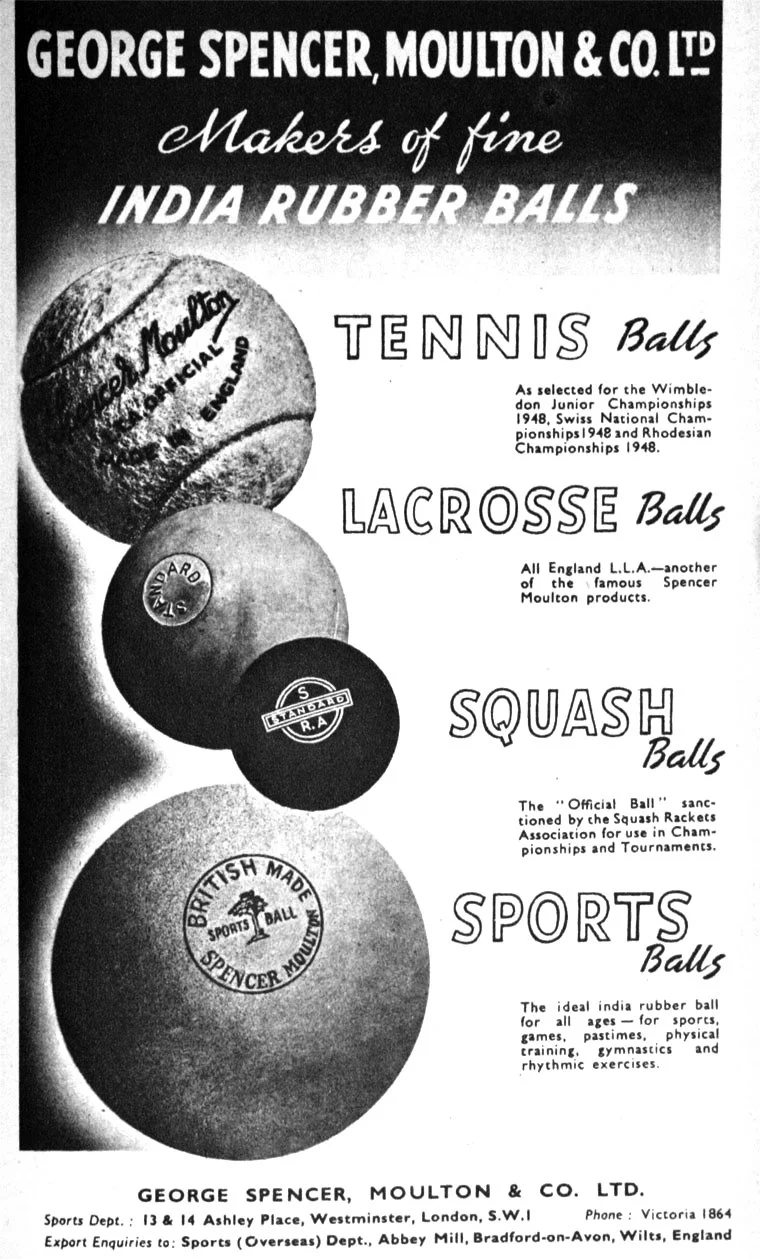
Recovery came with the decision by Stephen Moulton in 1848 to set up England’s first rubber mill in the town, using the deserted woollen mills by the river with power from a mix of installed steam engines and water wheels – and a skilled workforce desperate for new employment. His timing was perfect, as the new rubber mills produced waterproof clothing for British troops in the Crimean War (1853-56), and then a range of rubber hoses and suspension springs for the burgeoning railway industry worldwide. Early clients also included such legendary industrialists and entrepreneurs as Isambard Kingdom Brunel. Automobile and aircraft products were soon added to the range.
In 1956, the rubber works became part of the larger Avon Rubber Company (originally founded downstream from Bradford on Avon, at Limpley Stoke). Following substantial growth and restructuring, Avon closed all production work in the town in 1992, although their global corporate headquarters were located at Manvers House until 2005.
1992